 Home › Norway › Northern Norway › Tromsø
Tromsø aurora season: book three nights minimum — one night bets the whole trip on clouds
Q: How many nights should you stay in Tromsø to safely see the Northern Lights? A: At least 3 nights—this is the consensus among real travelers (only 2 nights means betting on a single night's weather), and clouds are the true variable. The official (visittromso.no) bottom line: Tromsø is at the center of the aurora oval, the darker the better for observation; 2024-2026 is the solar activity peak, with the 2026-27 season still in the peak tail. Formula = at least 3 nights + flexible chase tours + avoid the full moon week.
The decision, from above
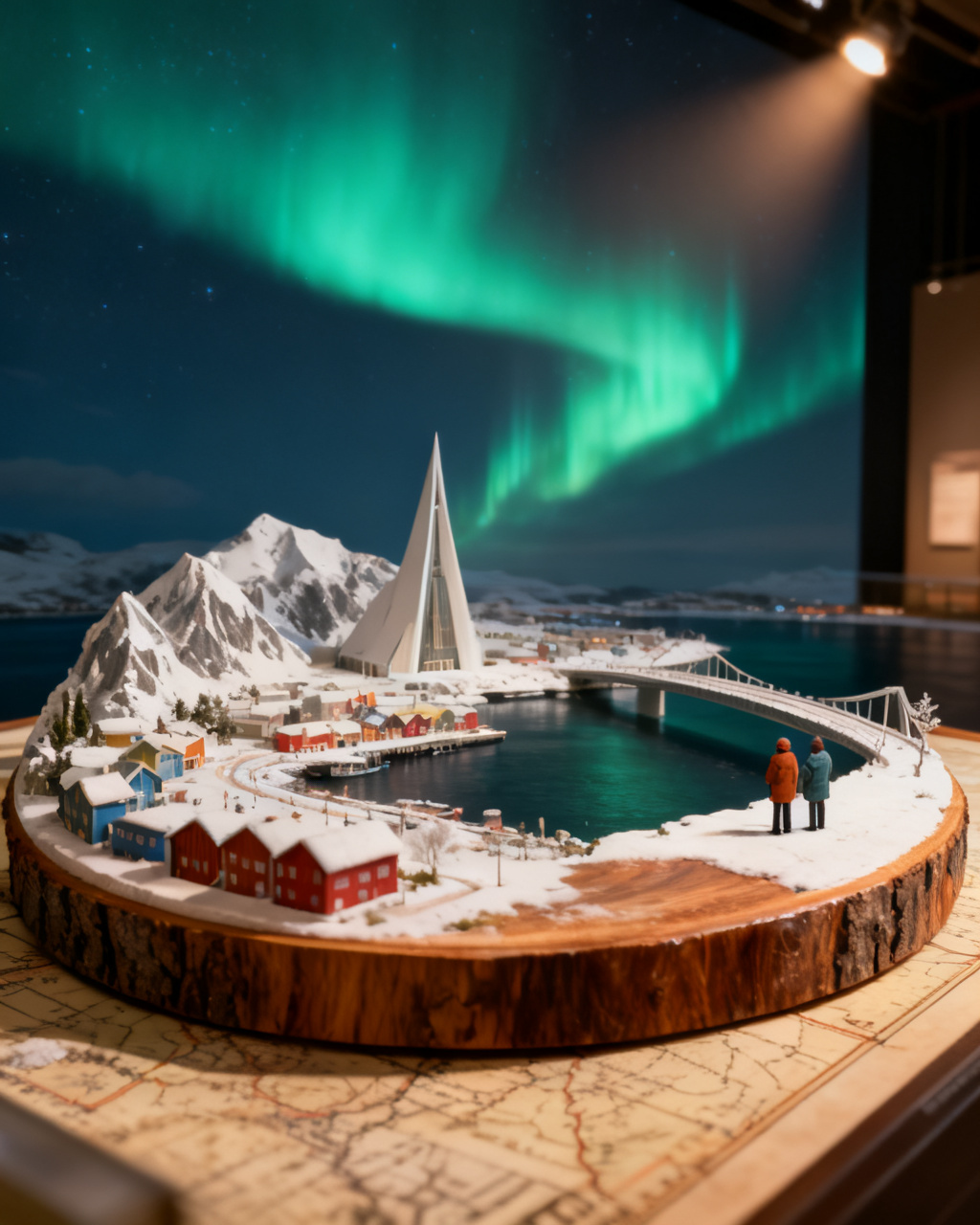
At least 3 nights plus flexible chase tours is the optimal solution to reduce the risk of going home empty-handed
Aurora is a probability game: booking just 1 night means betting your entire trip on one night's cloud cover; popular chase tours sell out early in peak season; Tromsø sits in the heart of the aurora oval but weather calls the shots—too few nights, no tour booked, or moonlight interference, any one of these three mistakes and you go home empty-handed.
- Anchor
- Tromsø
- First call
- How Many Nights: Cloud Risk and Multi-Night Structure
Time-sensitive · plan around it
Aurora is probability, itinerary is structure: Tromsø sits at the center of the aurora oval (official statement)—even on nights with very low KP index, sightings are common; the real variable is cloud cover, not the aurora itself. So the decision isn't 'which night has strong aurora,' but three structural things: ① Stay at least 3 nights (real traveler consensus, 2 nights = betting on single-night weather); ② The essence of chase tours is mobility—guides drive to clear skies based on nightly cloud maps, often going inland or even to the border, something no fixed observation point can do; ③ Official principle 'the darker the better'—avoid the week around the full moon, leave city lights. Add official context: 2024-2026 is the solar activity peak (officially called the best 11-year window), and the 2026-27 season is at the tail end of the peak—if you get the structure wrong in these seasons, the next peak is a decade away.
Those who spend their budget on 'picking the right day' lose to the weather; those who spend on 'number of nights plus mobility' beat the weather—this page teaches the latter.
Season & Window: Late August to Early April, the Darker the Better
Tromsø offers good value for aurora chasing; from September to October, KP2 is enough to see the aurora, and some people even see it from their hotel doorstep. (threads.com)
Official statement: Tromsø has aurora opportunities from late August/September to early April, as the city sits directly under the aurora oval; core dark season is November–February (polar night), while September–October and March are shoulder seasons—shorter nights but fewer crowds and lower prices. (visittromso.no)
The official observation principle is simple: you need darkness—the darker, the better—moonlight around the full moon will wash out weaker auroras; when planning multi-night trips, avoid the week of the full moon for the most reliable results (any moon phase calendar works; no need for exact dates). (visittromso.no)
The polar night window from November to February offers the highest density of experiences: besides the aurora, whale watching (Nov-Jan), dog sledding, and Sami culture occur in the same season—combining aurora chasing with daytime activities over a few nights structurally reduces the chance of going home empty-handed. (getyourguide.com)
| Route | Best for | Trade-off / risk | Cost & terms | Book |
|---|---|---|---|---|
| Polar-night core (Nov–Feb) Longest darknessWhales & sledding same season Aurora plus whale season plus dog sledding in the same nights — misses get structurally diluted by everything else the window offers. | First-timers who want the full Arctic stack | Days are extremely short — don't overpack the daytime schedule | Highest experience density | Official channel ↗ |
| Shoulder seasons (Sep–Oct, Mar) Shorter nightsMilder weather | Budget travellers and crowd-avoiders | Nights are shorter and the season fades by late March — viewing windows narrow | Fewer crowds · lower prices | |
| Dodging the full moon Official principle: darker is betterPlan-level fix | Anyone choosing dates with flexibility | Moonlight washes out fainter auroras — keep the full-moon week out of your window | Free — just check a moon calendar |
How Many Nights: Cloud Risk and Multi-Night Structure
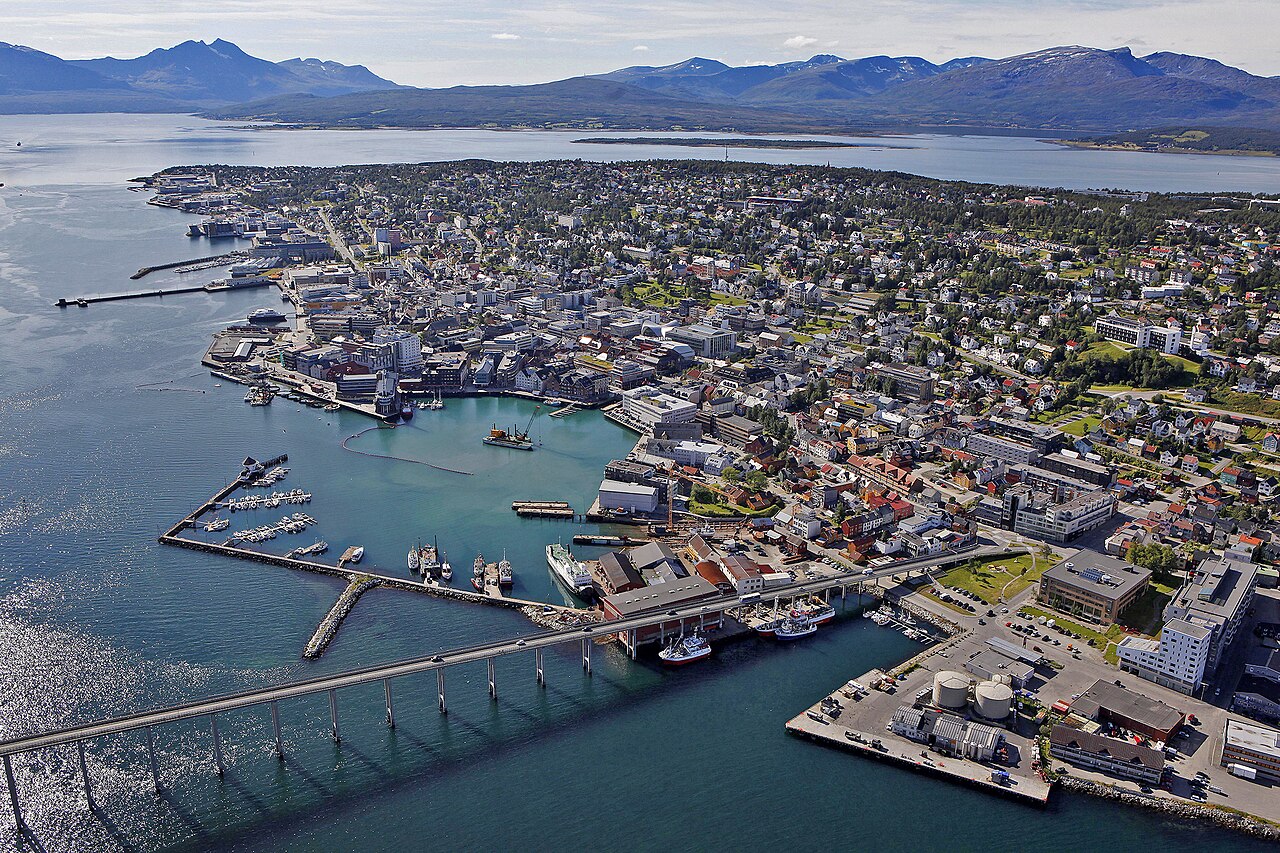
To see the northern lights in Tromsø, it is recommended to stay at least 3 nights, as cloud cover and weather are highly variable; 2 nights is risky. (Reddit traveler threads)
Tromsø has ample accommodation for a small city, but during peak aurora season (especially polar night and New Year), city-center rooms fill up first and prices rise—book a refundable room early with a minimum of 3 nights. (booking.com)
| Route | Best for | Trade-off / risk | Cost & terms | Book |
|---|---|---|---|---|
| Three nights or more Traveller consensusClouds are the real variable Tromsø sits in the centre of the aurora oval — given enough dark nights, the lights come to you. Nights are the one lever you control. | Anyone serious about actually seeing it | Clouds, not aurora strength, decide your night — three nights turn one gamble into a probability | Two more room-nights · miss risk drops hard | Check options → |
| Two nights Tight schedulesRisky | Stopovers who accept the odds | One overcast night leaves you a single chance — pair it with a mobile chase tour at minimum | One night saved · single-night weather bet |
How to Choose a Tour: Big Bus vs Small Group vs Self-Drive Aurora Chase
The core value of a chase group isn't the bus or bonfire, but mobility: the guide decides the direction that night based on cloud charts, often driving hours inland or even to the Finnish border to find clear skies—waiting in a fixed spot for auroras relies on luck; following the cloud chart increases the odds. (getyourguide.com)
Some chase groups (e.g., GuideGunnar) offer bonfire parties, hot meals, and photography services, so even if the aurora is weak that night, you can still have a good experience. (Reddit traveler threads)
Self-driving to chase auroras requires renting a car and being familiar with local road conditions, but you can find spots outside the city with less light pollution; however, winter roads are slippery, it gets dark early, and the risks are higher. (Reddit traveler threads)
Aurora tours in Tromsø are divided into bus tours and small group tours (minibus). Small group tours are typically more intimate, with fewer people, and can stop at the best viewing spots more easily. (getyourguide.com)
| Route | Best for | Trade-off / risk | Cost & terms | Book |
|---|---|---|---|---|
| Big bus tours Budget pickStill chases clear sky | Budget-first travellers | They drive to clear skies too, but big groups move slower and share viewpoints — a legitimate budget choice | Cheapest · slower, busier stops | |
| Small-group chase (minibus) Guide reads the cloud mapCrosses to clear sky A tour's real value is mobility, not bonfires: following the cloud map chases probability; waiting at a fixed spot waits on luck. | Anyone whose trip hinges on actually seeing the lights | Guides decide direction nightly by cloud charts, often driving inland or to the border — ask how far they'll chase before booking | Pricier · best mobility and viewpoints | Check options |
| Self-drive chase Light-pollution-free spotsWinter driving | Experienced winter drivers only | Icy roads and early darkness — without real winter-driving experience, skip this route | Car hire at your cost · maximum freedom |
Everything you'll book
Which side to stay
Live price-comparison map by Stay22; we may earn a commission at no cost to you.
FAQ
How far in advance should you book a Northern Lights chase tour in Tromsø?
During peak season (November-February polar night period), popular chase tours may fill up weeks in advance, so book at least 3 weeks ahead. The official principle is 'the darker the better'—avoid the full moon week and choose tours that chase based on cloud maps (e.g., GuideGunnar), which offer campfire and hot food even if the aurora is weak. Sources: visittromso.no, getyourguide.com.
What are the best months for the Northern Lights season in Tromsø?
Officially (visittromso.no), Tromsø has aurora chances from late August/September to early April, with the core dark period in November-February (polar night), and shoulder seasons in September-October and March. In September-October, KP2 can show aurora (threads.com), with fewer people and lower prices; November-February can combine whale watching (November-January) and dog sledding. If choosing late March or early April, aurora may be hard to see, so aim before mid-March.
Is it better to drive yourself or join a tour for Northern Lights viewing in Tromsø?
Tours are safer: guides drive based on the night's cloud map to find clear skies, often going inland or even to the Finnish border (getyourguide.com), which fixed observation points can't do. Self-driving requires familiarity with snowy roads, with early winter darkness and high slip risk (reddit.com). If on a budget, in September-October at KP2, you might see aurora from your hotel doorstep (threads.com), saving time and money.
Stay ahead of the window
Get an alert for your exact date.
Booking-window + conditions alerts for what you're deciding. Unsubscribe anytime.
Some links are affiliate links; we may earn a commission at no cost to you.